
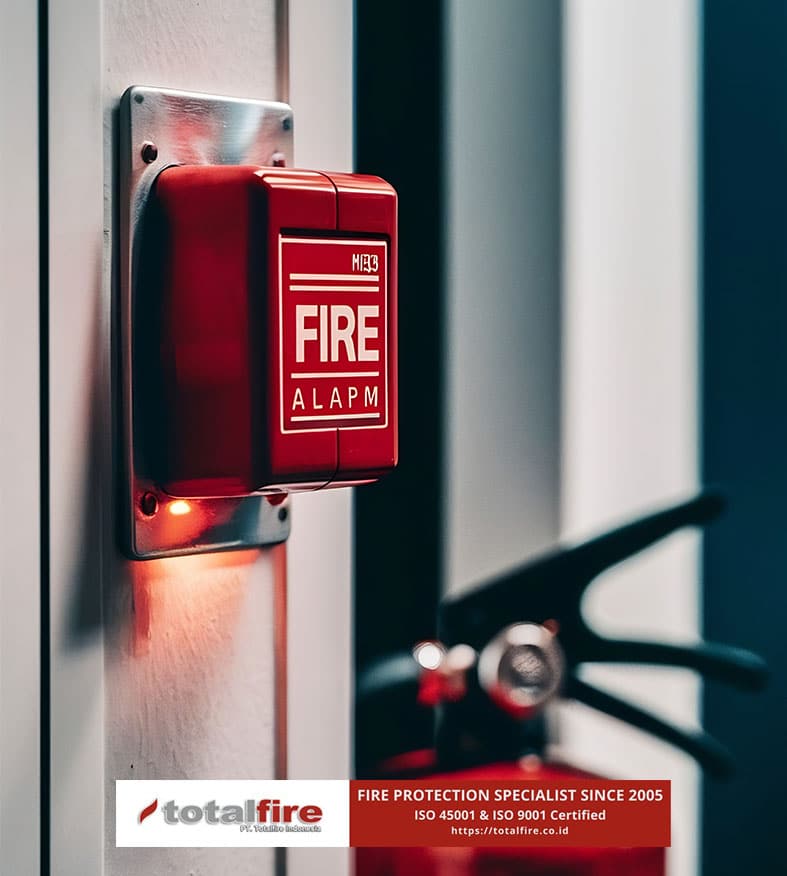
Fire safety is a vital part of modern building management. It applies to homes, offices, and industrial facilities. A reliable fire alarm system can prevent minor incidents from becoming major disasters. Two main technologies dominate the market: Addressable Fire Alarms and Conventional Fire Alarms.
Both systems aim to detect fires early and protect lives and property. However, they operate in different ways. Understanding these differences is important for building owners, architects, and safety officers. This article explains both systems and helps you choose the right option for your needs.
The Foundation: What is a Conventional Fire Alarm?
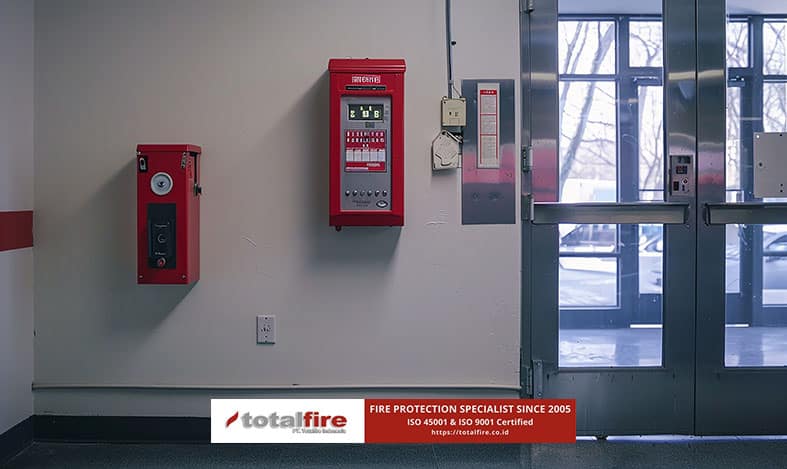
Conventional fire alarms have been the industry standard for decades. They are often referred to as “zone-based” systems. In a conventional setup, the building is divided into various areas or “zones.” All the initiating devices (smoke detectors, heat sensors, and manual call points) in a specific area are wired to the same circuit or zone on the Fire Alarm Control Panel (FACP).
How it Works
When a detector in Zone 1 (for example, the first floor) is triggered, the control panel identifies that there is a fire somewhere in Zone 1. However, the panel cannot tell you exactly which room or which specific detector triggered the alarm.
The Best Use Case
Conventional systems are highly effective and cost-efficient for small, simple structures. If you own a small retail shop, a one-room warehouse, or a simple two-story house, a conventional system is usually sufficient. In these environments, if an alarm sounds for “Zone 1,” it is easy for an occupant or a firefighter to manually scan the small area and locate the source of the heat or smoke.
The Evolution: What is an Addressable Fire Alarm?
An addressable fire alarm system is a significantly more advanced form of fire detection and notification technology. Unlike the zone-based approach, every single device in an addressable system has its own unique “address” or identity.
How it Works
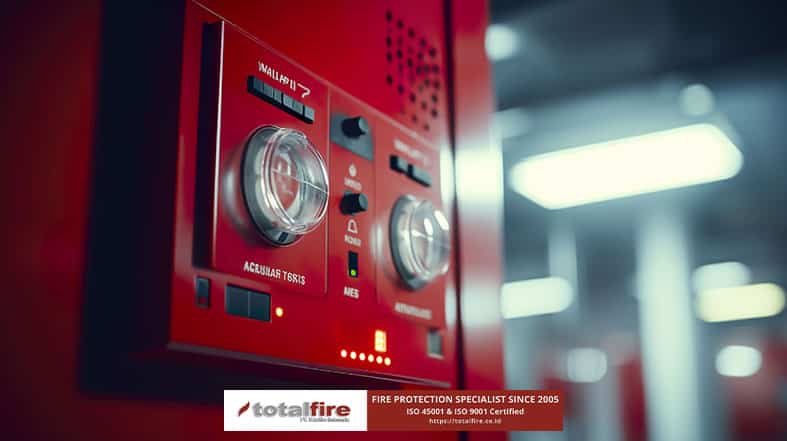
All devices are connected to a central control panel via a “loop” configuration. Each detector, sensor, and module communicates individually with the panel. When a fire is detected, the device sends its specific data—including its programmed location—to the Fire Alarm Control Panel (FACP). Instead of a vague message like “Fire in Zone 4,” the panel displays a precise message: “Smoke Detected – Room 402, North Wing, 4th Floor.”
Why Addressable Systems Are Often Required for Large and Complex Buildings
As architecture becomes more ambitious and buildings grow taller and more complex, the limitations of conventional systems become dangerous liabilities. Consider a modern skyscraper, a massive hospital complex, or a sprawling university campus.
Precision in High-Rise Structures
Imagine a 50-story building. If a conventional system triggers “Zone 12,” firefighters must search the entire floor. They must locate the fire source manually. In emergencies, every second matters. This delay can be fatal. Smoke spreads quickly through ventilation shafts and stairwells. By the time the source is found, the fire may intensify. The risk of flashover also increases, depending on room conditions.
Strategic Response for Public Interest
Hospitals and shopping centers are high-occupancy areas where panic can be as dangerous as the fire itself. Addressable systems allow security teams to verify the exact location of the threat. If a sensor in a remote storage room triggers, security can investigate immediately while the system prepares for a phased evacuation, preventing unnecessary stampedes in unrelated areas of the building.
Enhanced Intelligence: Beyond Just Fire Detection
One of the most significant advantages of addressable technology is its ability to monitor the “health” of the system itself. Conventional systems are often “all or nothing”—if a wire breaks in a zone, the system will typically indicate a trouble condition for that zone, but it will not specify the exact location of the break.
Device-Level Monitoring
Addressable systems provide constant feedback. If a smoke detector in a specific office becomes contaminated with dust or needs maintenance, the control panel will signal a “trouble” condition for that specific address. This allows maintenance crews to head directly to the faulty device.
Preventing False Alarms
Modern addressable detectors use advanced sensing algorithms and, in some cases, multi-criteria technology to reduce nuisance alarms caused by steam or dust. Furthermore, because the panel can monitor the sensitivity levels of each individual detector, it can alert the staff if a sensor is becoming too sensitive, thereby preventing costly and disruptive false alarms that force the evacuation of an entire facility.
Cost-Effectiveness: Initial Investment vs. Long-Term Value
A common concern for building owners is the cost. It is true that the hardware for an addressable fire alarm system—the panel and the individual detectors—is more expensive than conventional components. However, a deeper look reveals a different story regarding total cost of ownership.
Lower Installation Costs in Large Projects
Conventional systems require each zone to have its own dedicated wire run back to the panel. In a large building, this results in miles of cabling. Addressable systems use a Signaling Line Circuit (SLC) loop configuration, where a single communication circuit connects multiple devices and returns to the panel. This significantly reduces the amount of wiring, conduit, and labor required during the construction phase.
Lower Maintenance Labor
Because the system identifies exactly where a fault or a dirty sensor is, technicians spend much less time troubleshooting. In a conventional system, finding a “ground fault” or a broken wire can take hours of combing through every room in a zone. In an addressable system, the panel points the technician to the exact location of the error.
Integration with Other Safety Systems
Addressable fire alarms are designed to be part of an integrated “Smart Building” ecosystem. They can communicate with other systems to enhance safety:
- Elevator Recall: The system can automatically recall elevators to a designated recall floor and remove them from normal service during a fire event.
- HVAC Shutdown: It can initiate HVAC shutdown or activate smoke control sequences to prevent the spread of smoke through the building’s ventilation system.
- Access Control: The system can automatically unlock magnetic door locks to ensure that evacuation routes are clear for occupants.
Which One Should You Choose?
The decision between a conventional and an addressable system depends on several key factors:
Choose a Conventional System if:
• The building is small and has a simple layout.
• The budget is extremely tight and the risk level is low.
• Integration with other building systems is not required.
Choose an Addressable System if:
•The building is large, multi-story, or highly compartmentalized.
• Precise fire localization is critical.
• Long-term maintenance efficiency is a priority.
• Integration with elevators, HVAC, or access control systems is required.
Partnering with the Experts
Selecting the right fire alarm system is a critical decision that directly affects the safety of everyone in your building. Beyond regulatory compliance, it ensures early threat detection and effective risk mitigation.
At Totalfire Indonesia, we have delivered reliable fire protection solutions since 2005. From advanced addressable systems for high-rise developments to safety upgrades for existing facilities, our experienced team provides tailored recommendations and professional installation services to meet your specific requirements.
Do not leave safety to chance. Proper fire protection planning requires systematic design and expert execution. Consult our professionals to find the right solution for your project.
Contact Us Today Visit our website at www.totalfire.co.id to learn more about our services, or reach out to our team for a comprehensive safety audit. Let us help you protect what matters most with the best firefighting technology available in the industry.