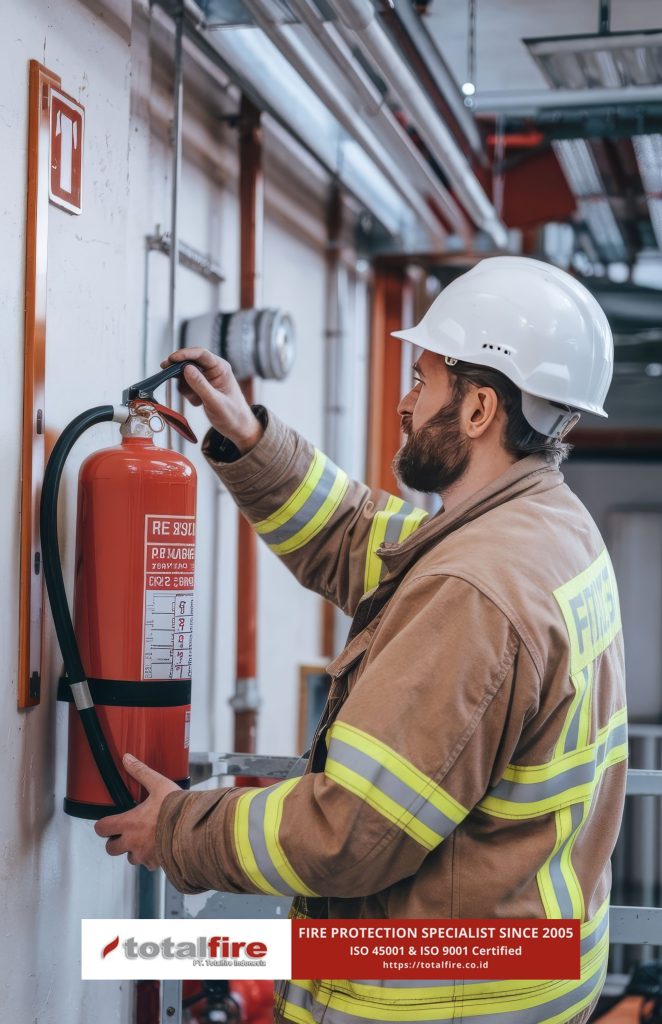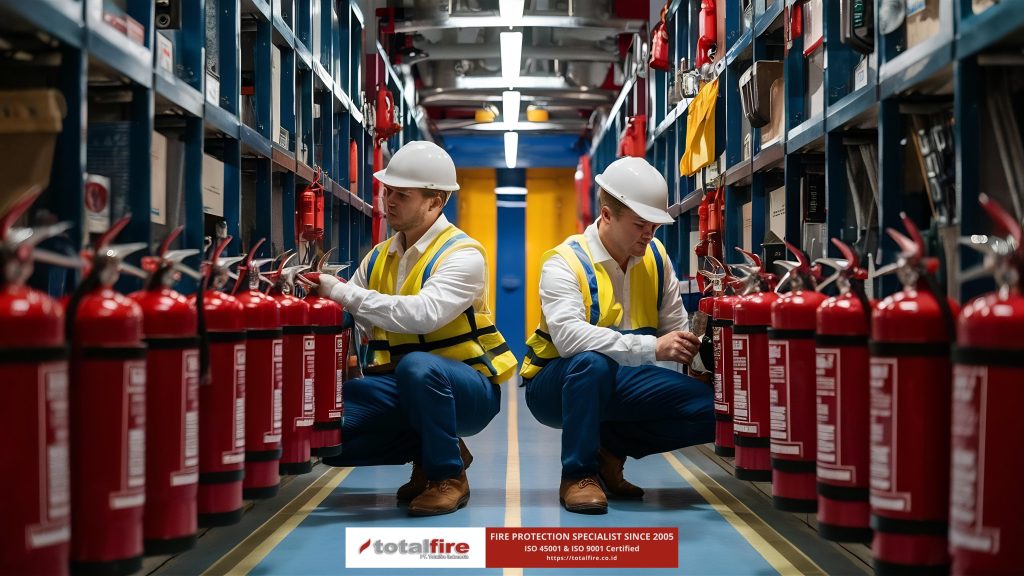
Fire is one of the most destructive risks that can threaten property assets and human lives. Although awareness of safety is increasing, not all premises or buildings are required to install complex fire alarm systems. For example, small single-family residential houses are generally not required by local building regulations or codes to have an integrated fire alarm system, as long as they are not multi-storey buildings, apartment units, or used for commercial purposes. Homeowners are at least advised to provide a fire blanket or a portable fire extinguisher (locally known as APAR in Indonesia) as an initial means of handling small fires.
However, for larger-scale buildings, the risks involved are far more complex. Installing a fire alarm system requires significant investment costs for installation and ongoing maintenance. Therefore, it is essential for building owners and business operators to understand the specific conditions under which such systems become mandatory and critical.
Conditions Requiring the Installation of Fire Alarm Systems
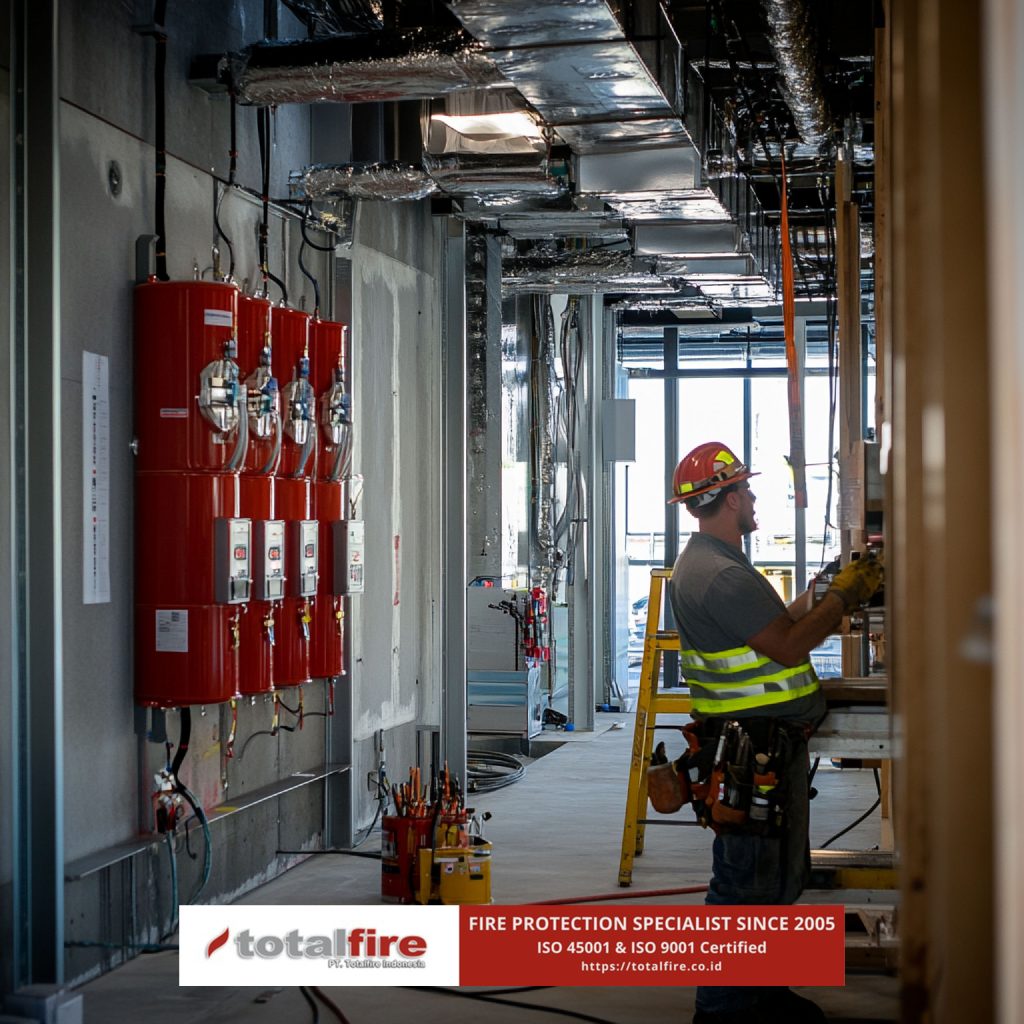
Based on international safety standards and building regulations, you are typically required to install a fire alarm system if your building or business premises fall under the following conditions:
Multi-Storey, Large-Scale, and Open-Plan Commercial Properties
Commercial properties such as shopping malls, office buildings, hotels, and apartment complexes are generally required to be equipped with fire alarm systems, depending on their floor area, number of storeys, and risk classification. Why is this necessary? These types of properties are directly associated with public safety and the responsibility to protect large numbers of occupants.
When a fire or explosion occurs in a multi-storey building, it becomes extremely difficult for occupants to detect the fire at an early stage without automatic detection systems. An integrated fire alarm system enables precise identification of the fire location on a specific floor, allowing evacuation procedures to begin immediately before thick smoke fills emergency stairwells. In many countries, including Indonesia through occupational safety regulations (K3 Occupational Health and Safety) and the Certificate of Proper Function (SLF), fire alarm installation is no longer optional but a legal requirement.
Locations with High-Risk Objects or Activities
Fire alarm systems are mandatory in buildings that present a high risk of large-scale fires or explosions. These areas include:
- Storage Warehouses: Especially those storing combustible materials such as plastics, paper, or chemicals.
- Mining Areas and Fuel Storage Facilities: Where flammable vapors or small sparks can trigger catastrophic explosions.
- Research Centers and Laboratories: Where unstable chemical reactions may occur.
Professional fire protection companies typically recommend more specific and advanced detection systems, such as gas detectors or flame detectors, to anticipate even the smallest anomalies. From a spatial planning perspective, high-risk locations should ideally be separated from residential areas to minimize the impact of major incidents.
Buildings with Special Occupants
Facilities that accommodate individuals with limited mobility require additional protection. These include:
- Nursing homes for the elderly.
- Orphanages for children.
- Hospitals and rehabilitation centers for patients and persons with disabilities.
Occupants in these facilities are often unable to evacuate quickly during emergencies. Evacuation processes tend to be slower and require significant assistance from personnel. In this context, fire alarms function as early warning systems that provide extremely valuable additional time for medical staff or caregivers to initiate life-saving procedures before the fire spreads further.
Why Are Design and Installation Techniques So Crucial?
Fire alarm installation is not merely a matter of mounting sensors on ceilings. It is an engineered system involving several critical components that must communicate flawlessly with one another:
- Control Panel (Fire Alarm Control Panel/FACP): The central unit that processes all signals from detectors.
- Initiating Devices (Smoke, Heat, and Flame Detectors): Sensors responsible for detecting early signs of fire.
- Notification Devices (Sirens and Strobe Lights): Equipment that alerts building occupants.
An error in placing even a single detector can create dangerous blind spots or, conversely, cause frequent false alarms that disrupt business operations. This is why an experienced partner is essential to design a system that aligns with your building layout and room functions.
Characteristics of the Best Fire Protection Companies
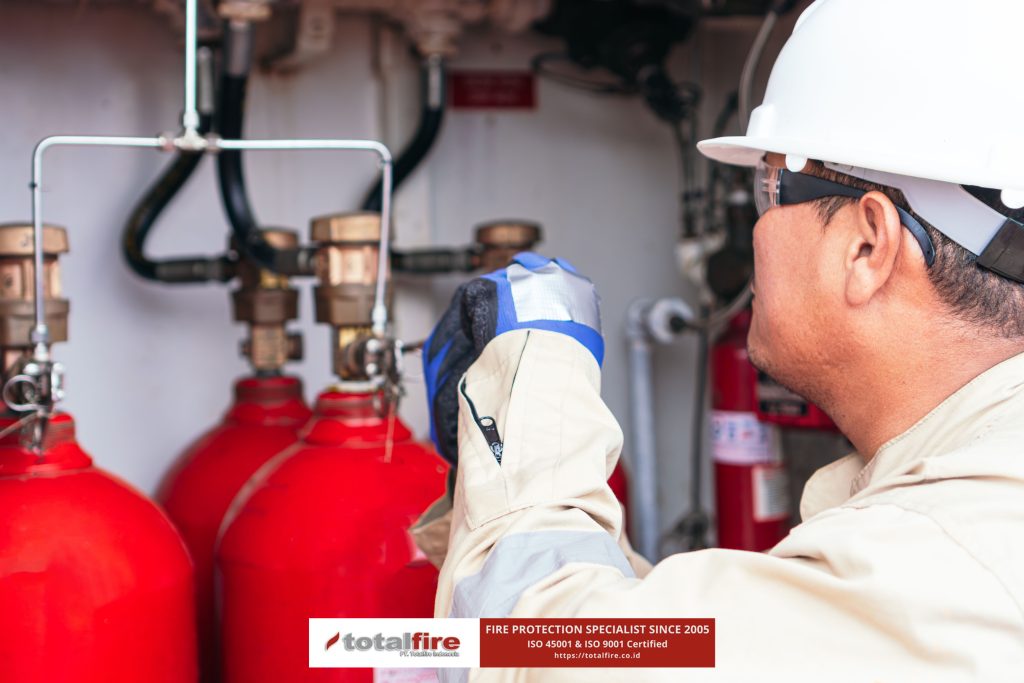
Choosing a contractor to install a fire alarm system is a decision that directly affects long-term safety. An ideal contractor does not merely sell equipment but provides comprehensive solutions. The best fire protection companies typically demonstrate the following characteristics:
Comprehensive and Integrated Services
A credible company should offer comprehensive fire protection services, including:
- Active fire alarm system installation.
- Gaseous fire suppression systems (for server rooms or archives).
- Specialized fire detection systems (such as high-sensitivity smoke detectors, flame detectors, or gas detectors).
- Routine service and maintenance programs.
- EPC (Engineering, Procurement, and Construction) packages that ensure efficiency from design through project handover.
Extensive Experience and Proven Track Record
The reliability of a fire protection company is often reflected in how long it has been operating. Companies with decades of experience possess deeper insights into various building typologies, ranging from simple structures to highly complex heavy industrial facilities. This experience ensures their ability to overcome technical challenges that may arise during installation.
Compliance with International Standards
Life safety systems must never be based on speculation. The best companies operate in accordance with international standards, particularly those established by the National Fire Protection Association (NFPA) in the United States and national standards such as SNI in Indonesia. Compliance with NFPA and SNI standards enhances system reliability and serves as an important factor in insurance assessments.
Totalfire Indonesia: A Total Solution for Your Safety
Totalfire Indonesia meets all the ideal characteristics of a professional fire protection company described above. As specialists in fire safety, we prioritize material quality and client satisfaction above all else.
Why Entrust Your Installation to Us?
- Uncompromising Quality: We use only high-quality, certified equipment.
- Targeted Design: Our engineering team designs systems based on thorough risk analysis of your building, ensuring maximum detection effectiveness.
- Timely Execution: We respect your business operations. Our team works professionally to complete installation and functional testing (commissioning) according to the agreed schedule.
Do not let the safety of valuable assets and human lives in your environment become a matter of speculation. If you are still uncertain about your buildings condition or safety system requirements, do not hesitate to consult our team of experts.
An Investment in Peace of Mind
Installing a fire alarm system is a long-term investment in peace of mind. With a professionally designed system, you not only protect your property from total destruction but also ensure the safety of everyone inside.
Does your building already have adequate protection? Or is it time to audit and maintain your existing system? Totalfire Indonesia is ready to be your trusted partner in creating a safe environment protected from fire hazards.